

Neurodiversity is increasingly recognised as an essential part of the modern workforce. Conditions such as Autism Spectrum Disorder, ADHD, Dyslexia, Dyspraxia, and Tourette’s are now understood through contemporary psychological and psychiatric research as natural cognitive variations rather than deficits. These differences influence attention, behaviour, sensory processing, communication, and problem-solving in ways that can add meaningful value to workplaces when individuals are adequately supported (American Psychiatric Association, 2022). With this shift in understanding comes a growing emphasis on protecting the rights of neurodiverse employees and ensuring that workplaces create environments where every cognitive profile can thrive.
This guide outlines the key legal rights neurodiverse employees hold in the United Kingdom and explains how psychological insight and psychiatric frameworks inform fair, compassionate, and effective workplace support.
In the UK, neurodiversity is covered under the Equality Act 2010. The Act defines disability as a long-term and substantial impact on day-to-day activities. Many neurodevelopmental conditions meet this definition due to the consistent influence these conditions have on cognitive processing, sensory functioning, and behaviour (Equality Act 2010). Once covered, individuals gain legal protection from discrimination in recruitment, training, performance management, promotions, and the general working environment.
The Act requires employers to anticipate barriers and take active steps to remove them through reasonable adjustments. This legal requirement reflects key principles in occupational psychology. People perform at their best when their environment aligns with their cognitive needs, sensory tolerance, and communication style (Chartered Institute of Personnel and Development 2023).
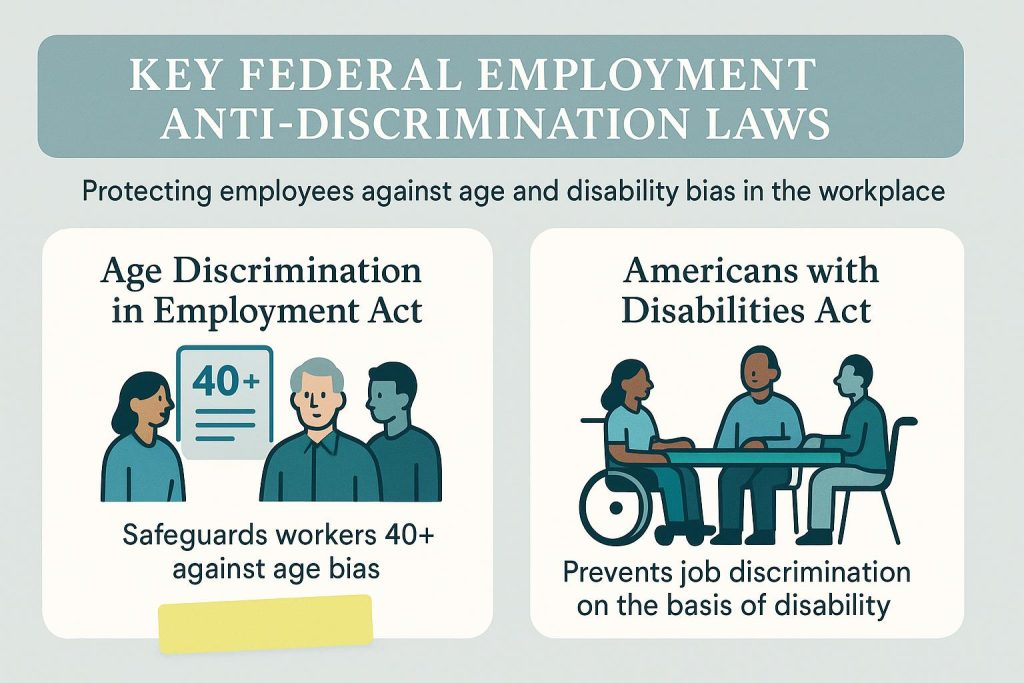
Neurodevelopmental conditions are widely researched within clinical psychology and psychiatry. For example, ADHD is linked with differences in executive functioning, task initiation, and working memory, while Autism often involves sensory sensitivity, social communication differences, and a preference for structure (American Psychiatric Association, 2022). Dyslexia and Dyspraxia influence information processing, language, and motor coordination, while Tourette’s affects impulse regulation and motor tics.
Workplace difficulties, therefore, are not behavioural problems or a lack of effort. They are expressions of neurobiological variation. Psychological research emphasises that adjustments to environment, communication, and task structure significantly reduce stress and improve functioning (British Psychological Society 2021). This is why the law places a duty on employers to make adjustments that align with an employee’s cognitive profile.
Reasonable adjustments are modifications that prevent a neurodiverse employee from being placed at a disadvantage. They are grounded in the understanding that equality does not mean sameness. It means equitable access.
Adjustments may include
• Flexible start and finish times to support individuals with ADHD or medication timing needs
• Reduced sensory load, such as quiet rooms, lighting control, or noise-cancelling headphones
• Written instructions to support individuals who process verbal information differently
• Assistive technology such as speech-to-text or text-to-speech software
• Structured routines or check-ins for employees who benefit from predictable patterns
• Modified interview formats to allow autistic applicants sufficient processing time
Employers must implement reasonable adjustments once they are aware an employee needs them, even if a formal diagnostic report has not yet been provided (ACAS 2022). Disclosure does not need to be clinical to be valid.

Deciding whether to disclose a neurodevelopmental condition can be a deeply personal choice. Clinical psychology highlights that stigma, fear of misunderstanding, and previous negative experiences may influence whether individuals feel safe enough to disclose. If an employee chooses to share their diagnosis or needs, the employer must treat this information confidentially under GDPR and protect the individual from any form of disadvantage (Information Commissioner’s Office 2023).
Psychological safety is the foundation of effective disclosure. When employees feel respected and understood, they are more likely to seek help early and prevent difficulties from escalating.
Legal protection does not begin after employment. It applies throughout recruitment. Employers must ensure that interviews and assessments do not disadvantage neurodiverse candidates. Adjustments may include written questions in advance, extended time, or alternative ways of assessing capability (ACAS 2022). Occupational psychology emphasises that traditional interview formats often favour neurotypical communication styles rather than actual ability or potential.
Training and promotions must be accessible as well. Neurodiverse employees must not be excluded from development opportunities because of differences in processing, learning style, or communication. Structured feedback, clear expectations, and flexible learning materials all align with psychological research on effective support.

Neurodiverse employees are legally protected from harassment related to their condition. This includes overt bullying and more subtle forms of discrimination, such as exclusion, jokes about traits, or criticism of behaviours that stem from neurological differences. The Equality and Human Rights Commission states that employers have a duty to intervene promptly and effectively to prevent any hostile environment (EHRC 2021).
Psychology research shows that microaggressions and invalidation significantly increase stress, anxiety, and burnout among neurodiverse individuals. A supportive workplace is therefore not only a legal duty but a mental health necessity.
If an employer refuses to implement reasonable adjustments or treats an individual unfairly due to a neurodevelopmental condition, the employee has the right to challenge the decision. This may involve speaking to HR, raising a formal grievance, or seeking guidance from ACAS. If the situation remains unresolved, there may be grounds for a disability discrimination claim (ACAS 2022).
Many cases are resolved once employers understand both the legal requirements and the psychological reasons behind adjustments.
Neurodiversity is a strength, and the modern workplace is beginning to recognise the creativity, innovation, focus, and problem-solving that neurodiverse thinkers bring. Psychiatry and psychology offer valuable insight into how different brains work. The law provides the framework to protect these differences. Together, they form the foundation for an inclusive workplace where neurodiverse individuals are respected, supported, and able to thrive.
A Shared Care Agreement is a formal arrangement between psychiatrists, your GP, and you as the patient, outlining how your ADHD treatment and medication will be managed once your dose is stable. It allows your GP to take over prescribing and monitoring under guidance from psychiatrists.
No, you do not need to have a Shared Care Agreement, but this can be arranged on request.
Psychiatrists handle the majority of the work. Once your medication is stable, they write a detailed, formal letter to your GP requesting that they accept the SCA. You will be kept informed every step of the way. They always aim to make this transition as smooth and worry-free as possible for you.