
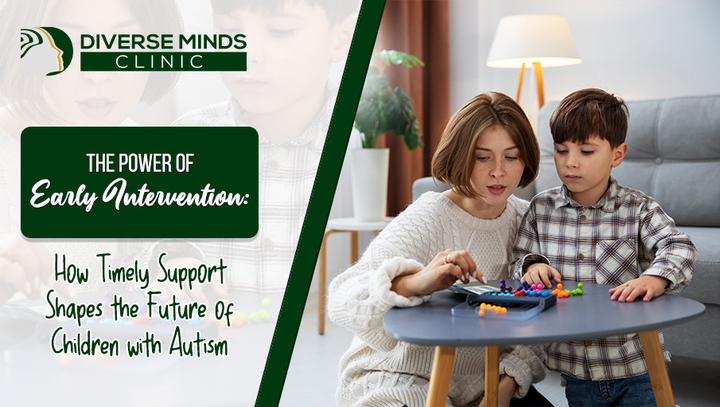
Early intervention is critical for children with autism spectrum disorder (ASD). Research shows that timely support can significantly enhance communication, social skills, and emotional regulation, setting the stage for a lifetime of success. By intervening early, children with autism have a better chance of thriving in school, social settings, and life beyond. Without early intervention, the gap between neurodivergent children and their peers can widen, affecting long-term outcomes.
Neuroplasticity, the brain’s ability to reorganise and form new connections, plays a pivotal role in early intervention. According to the National Institute of Mental Health (NIMH), the brain is most adaptable during the early years of life. This makes it the ideal time to address developmental concerns through therapies like applied behaviour analysis (ABA), speech therapy, and occupational therapy, all of which help children build essential skills for life. Early intervention helps lay the groundwork for academic success, social relationships, and emotional stability, setting children on a path to independent adulthood.
Early intervention is not only about helping children learn new skills; it also addresses the emotional and behavioural challenges that are often associated with autism. Research published by Autism Speaks shows that children who receive early intervention show significant improvements in socialisation, communication, and cognitive abilities compared to children who do not receive early intervention. Moreover, early intervention can reduce the likelihood of co-occurring mental health conditions, such as anxiety and depression, which are more common among individuals with autism. By addressing these challenges early on, children are better equipped to manage their emotions and stress, resulting in a better quality of life.
Therapy is a core component of early intervention. Speech therapy, occupational therapy, and ABA therapy work together to support children’s development in areas like communication, social skills, and self-regulation. For example, speech therapy helps children improve verbal and non-verbal communication, while occupational therapy addresses daily living skills and sensory integration. ABA therapy, which focuses on reinforcing positive behaviours and reducing challenging behaviours, is particularly effective in helping children with autism learn key life skills and improve overall functioning. These therapeutic supports, when introduced at the right time, provide children with the foundation they need to navigate the world confidently and independently.
Family involvement is critical to the success of early intervention. The American Psychological Association (APA) confirms that children who have actively engaged families show better progress. Parent training and caregiver support are integral in ensuring that skills learned during therapy are applied consistently in everyday life. Schools and community services also play a key role in providing ongoing support for children with autism. When schools adopt inclusive practices and provide individualised educational plans, children with autism are better equipped to thrive academically and socially. Collaboration among educators, therapists, and families ensures that children’s needs are consistently met across all environments, promoting a cohesive and supportive experience.
Despite the proven benefits, many families still face barriers to accessing early intervention services. Waiting lists, geographical challenges, and financial constraints often delay access to essential therapies. The World Health Organization (WHO) reports that many regions, including parts of the UK and Pakistan, have limited access to these services, which can delay progress and exacerbate difficulties. Families often need to advocate for their child’s right to timely, effective intervention. Public awareness, policy improvements, and funding for autism services are crucial steps in ensuring that every child has access to the support they need when they need it most.
While early intervention lays the foundation for future success, continued support throughout childhood and into adulthood is essential. As children with autism grow, they may encounter new challenges in
education, work, and social relationships. Ongoing therapeutic support helps them build upon the skills learned early on, while also addressing emerging challenges such as executive functioning or life transitions. Family-centred care remains critical, with parents and caregivers continuing to provide support as their children reach different stages in life.
Moreover, society plays a significant role in creating an environment where individuals with autism can thrive. Creating inclusive spaces in workplaces, schools, and communities ensures that neurodivergent individuals have the opportunity to succeed in all areas of life, without feeling excluded or unsupported.
The benefits of early intervention are clear. Research consistently shows that children who receive early support make greater strides in communication, socialisation, and emotional regulation. By engaging children with autism in therapies at the right time, we help them unlock their full potential and give them the tools to succeed in life. With the right support, every child can thrive.
By prioritising early intervention and continued care, we help children with autism overcome the challenges they face and set them up for success in adulthood. It’s not just about addressing immediate needs; it’s about creating a future where children with autism can lead fulfilling, independent lives.